Fable of the Elves
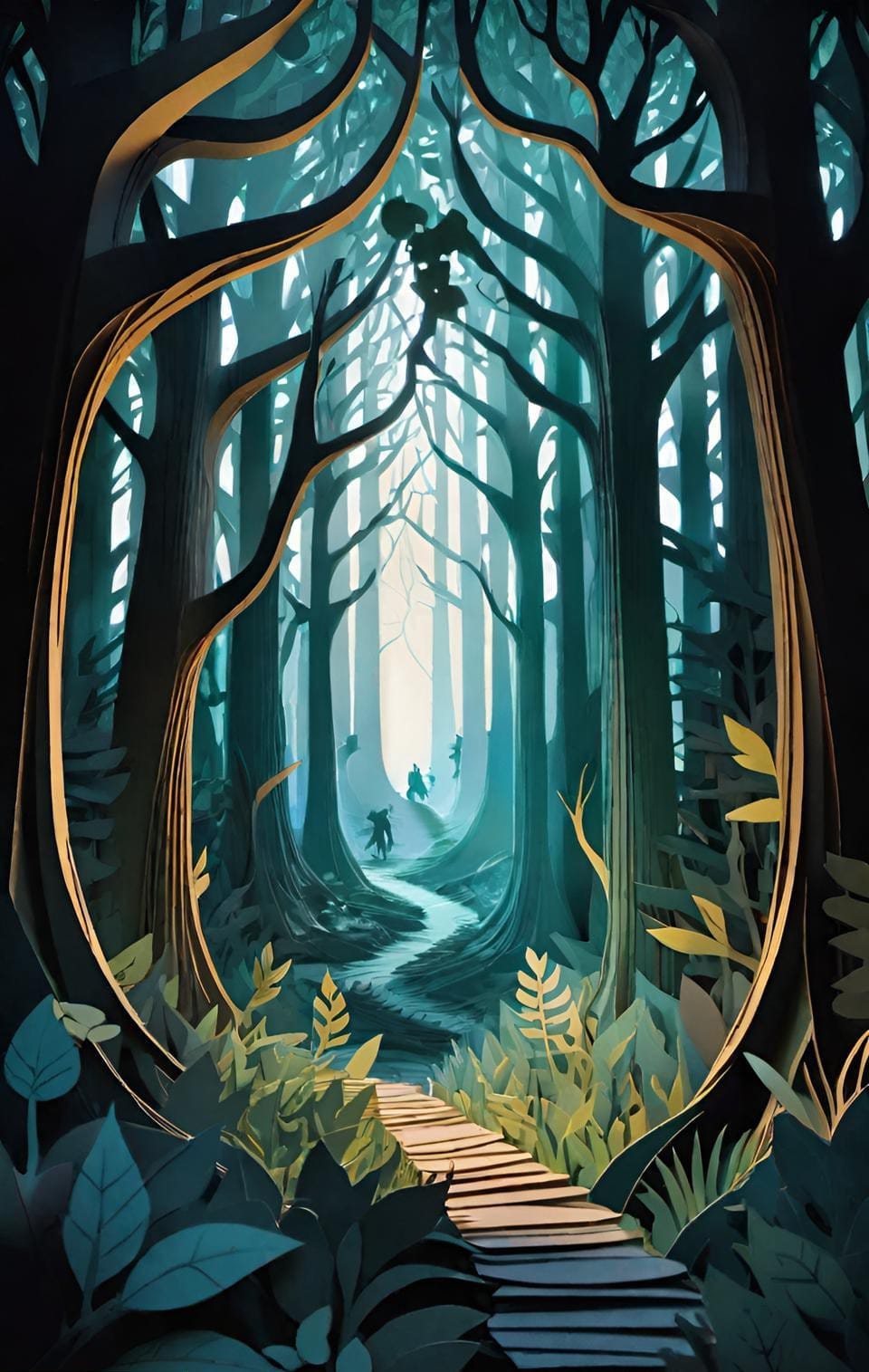
Fable of the Elves
The Book of the Nohmish
The Great Seel of Luck - the coin toss that Determines the Seely and Unseely courts.
“It has been said the Elves trade in crystal hearts, but that is only half true. Their real currency is in Luck.” -Grouchous Maximus III esq.
The Nohmish are people of the Crystal. They are androgynous, sexless, and ageless. Their lifecycle is complex, and will take many turns to shape them. What they all have in common is the Crystalline Heart which gives them life. They are one with the natural world and the wild lands, and can harness its magic, which is unique and different from the magics of humankind. The only Humans that come close to understanding this magic are the Druids, but they are too distracted by the runes and ruins of the ancient world to grasp it fully. Elves do enjoy the Druids' craftsmanship in skateboards and BMX bikes, which they use to pull off sweet jumps and tricks.
Since the Nohmish have no gender, they live in communal tribes based on their environmental attunement, and are caretakers of their tribe’s Moon Tree. A Moon Tree is a sacred living being from which all future generations are born. It can grow anywhere there is even the slightest light, and will make the light grow. Its roots will spread wide and bring life wherever they reach, and its branches will form a grove beneath and become home to many creatures. The location of a Tribe’s Moon Tree is a secret that they keep. They are impossible to find without the tribe’s guidance, so only those most trusted are brought into the presence of the Mother Moon Tree.
The Moon Tree is the collected memory of the whole tribe, and it will often be consulted with for decisions. She will often send her children on quests to deliver messages to other Moon Trees in other parts of the world, and in some cases will charge her children to deliver a Moon Nut to a specific location, to lay the foundation of a future Nohmish civilization.
The Nohmish can only be killed by fracturing their Crystalline Heart. All other wounds will quickly heal and limbs regrow in a matter of days or hours depending on their vitality. Even a lost head can be reattached. If the Heart is cracked, the body will crumble to dust, and only the Fragments of the Heart will remain. All Nohmish have a duty to collect these fragments and return them to Moon Tree for the following season. At the beginning of the season, Heart Fragments are ground into Fairy Dust, and they are used to pollinate the Moon Flowers. Glow Worms will then take up residence in the Moon Flower and form a Chrysalis. In nine months the Flower will burp out a Fairy. A single tree has many Moon Flowers, and it takes the whole tribe to fertilize the tree. This is a time of much light and celebration. The Fairies then scatter to the wide world to take up their single task granted them by the Moon Tree. This can be any number of simple things such as “Take this message to this Wizard, fart in this milk pail, and collect three shiny rocks, etc” but their wings make the process expedient.
When a Fairy’s task is completed, their wings fall off and they become a Brownie, and will live in the many hide-y holes of the world as they make their way to find their new tribe. Not all Brownies are called to the tribe from whence they came; this way the memories of each tribe are dispersed across the land.
The Nohmish have the uncanny ability to communicate with all living things, animal or plant. They do not keep pets, but they do make friends with other creatures. They can see as well in moonlight as in daylight. Depending on their elemental attunement, they can also sense the memories in the earth, water, air, and in flames. They can develop the ability to communicate with other Nohmish by thought alone, and can sense living things moving around them beyond their eyesight, even the soul-heat of living things. They can move nimbly across the roughest terrain. With time and practice, they can command things to grow, rocks to roll, water to climb, wind to blow, and fire to run.
The Seely and the Scourged
All Nohmish recognize each other as siblings, but there may be a change which alters this relationship. This is known as Scourging. A Scourging can happen at any time, and it is an event that will change a Nohmish irreparably. This can include being set on fire, eaten by a frog or daghorn, captured in a jar by giants which leaves them unable to complete their task, crushed under-foot, having their wings torn off, boiled in a stew, drowned in a pickle barrel, all sorts of nasty things that can commonly happen to a Fairy or a Brownie. If a Fairy is able to navigate their way to a tribe unscathed, they will be regarded as Seely by their siblings. If they have been Scourged, they will be regarded as Unseely, and only accepted by other Scourged. These form the two courts of the Nohmish, and the relationship between the two is at best suspicious, and at worst hostile. Thus the lifecycle of the Nohmish begins.
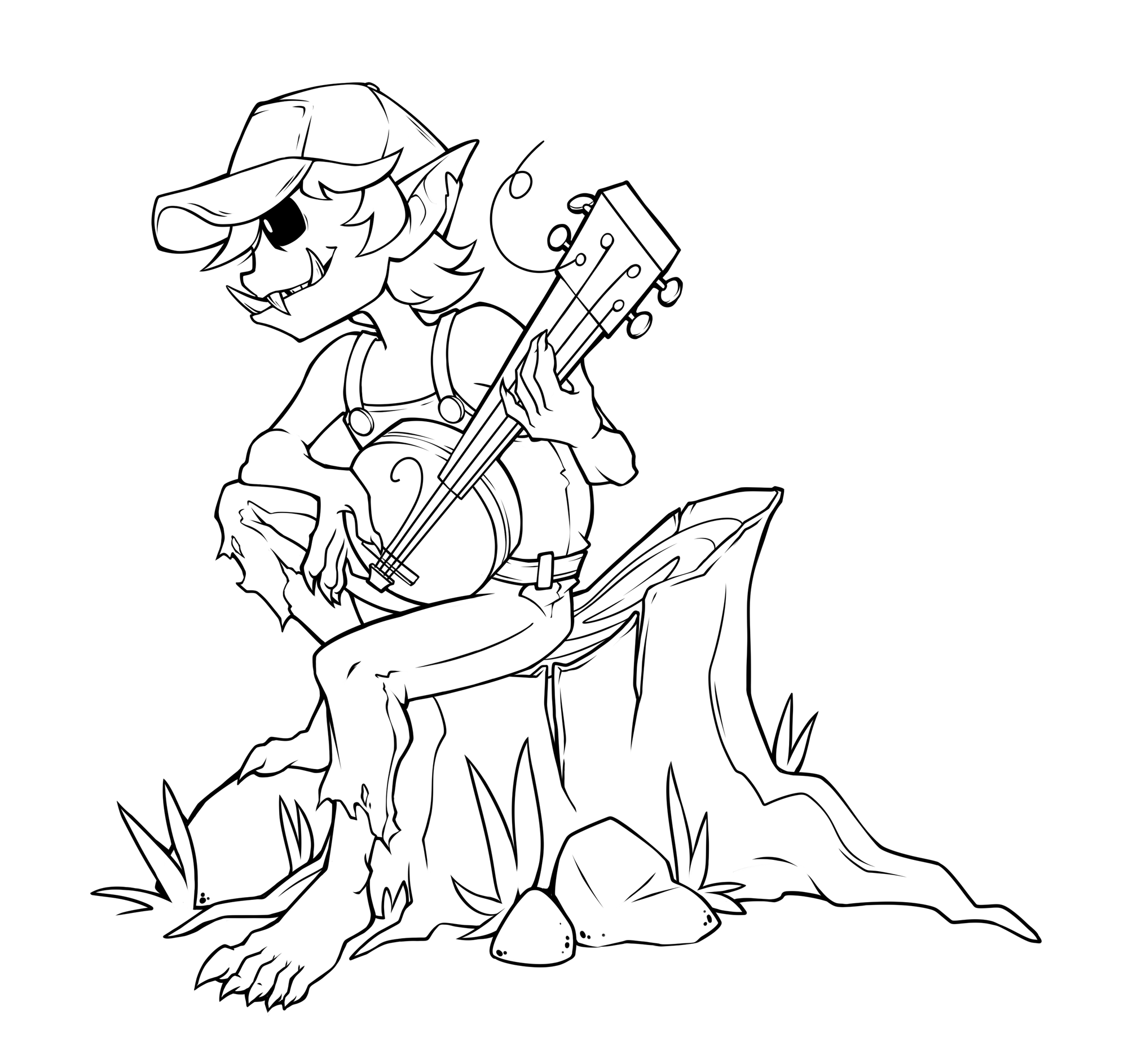
As they grow and age, they can branch off into different tribes based on their environmental attunement. Elves of the Woodlands keep and protect the forest domains emanating from the Moon Tree, the Elves of the River are always near water, and Sky Elves race across the clouds, making homes in the high branches and mountain tops. Some stay small and curious, and learn to live with humankind, and study the mysteries of the Crystals; these are called the Gnomes, and grow beards well before their age.
A Brownie that gets eaten by a frog, will not be digested, and will get pooped out and become a Goblin. Goblins eventually grow into Dorcs, Orcs, Trolls, Hags and even Ogres. They will form their own tribes in the places the Seely will not go, and test whatever luck they have left. Dorcs maintain their curiosity and investigate the ruins of humankind in the Mountains, Orcs will keep to the deserts, steppes and canyons, Trolls will try to learn the magic of humankind and live a solitary life under bridges and in caves, while Ogres will grow large and retreat to the dark woods or the mountains. They are all ravenous risk takers and fascinated with machines and music of the ancient world. Many will ally themselves with sorcerers to learn the music of metal!
To humans, most Nohmish appear youthful throughout their lives, but they do reach a point, usually around 3000 seasons, where they develop back pain and little wispy beards. These are known as Grumps, and are the wisest elders of the tribe, though their advice is not often heeded. They listen closest to Mother Moon Tree, who will tell them when their time has come to make their Last Pilgrimage to their final resting place. If they make it there, they will become a statue of their former selves, providing a holy place of safety for their kindred.
The Scourged will often wander the land or go into hiding, divorced from a Mother Moon Tree. Some will find a surrogate in the form of a charismatic Wizard, or a strange machine deep underground. Some will acquire a Moon Nut from the Seely Court, which must be freely given. Such boons are what heroes are made of among the Scourged. They will keep their Mother Moon Trees as covetously as the Seely, sometimes more so, but often they will be in misty swamps or in deep crevasses.
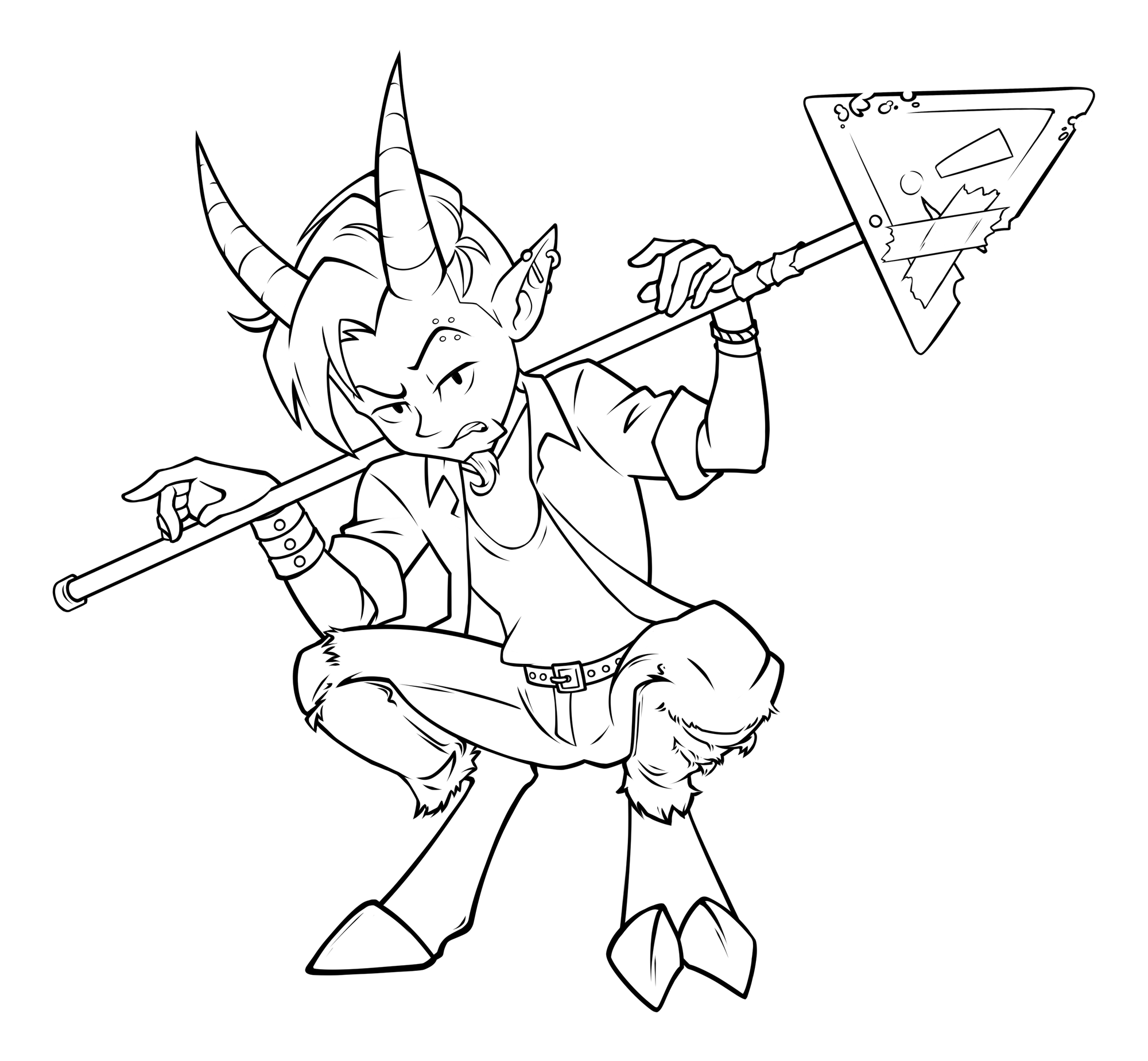
The outliers are the Elves of the Flame, who are Scourged, but still respected by the Seely court. These Nohmish have been Scourged by Fire. Their scars have hardened into cloven feet and goat horns on their heads, hairy backs and legs, and long beards. They can handle the coals of the deepest places, and can forge like Dwarves. They are the only ones who can forge Dwarven Bones and have learned the deep secrets of humankind.
Elves Among Humankind
Elves questing either to or from their tribal domains are bound to encounter human civilization. For the most part, Elves are not welcome in human society, as mischief will frequently occur. However there are enough exceptions, either at the fringes of society or in the heart of great cities, that a Human encountering an Elf or traveling among Elves is not unusual. Here are a select few of such cases:
- The Techno Druids have established communities outside of human city-states, and have long-established alliances with Elves of the Wild as a matter of survival. It is not uncommon to find Elves in Druid workshops helping with electrical work and welding together chassis for a Duce or Lift. Druids will also employ Goblins and Orcs, so it’s one of the few places the Seely and Unseely will hang out together.
- Pilgrimages among traveling Priests of the Church of Ademos will accept Elves as interpreters and guides through wild territory, and have often coincided with the Last Pilgrimage of an Elven Grump. These groupings depend largely on the Sect of the Church, and their level of toleration. Many Priests see Elvish guides as a blessing, and Grumps are fascinated by the religious practices of Humans.
- Caravans require an Elven Cohort if they do not want to get raided. This is the primary reason city centers allow Elves to enter, as they are needed as guides to get a Caravan either by road or river safely through the Wild.
- Circuses are quite common in the city-states, and they are safe places for Elves to earn a living as acrobats, jugglers, and animal handlers. They are excellent mimes, but they do not have the same sense of humor as humans, so they don’t often go into clowning.
- Airships also require the services of both Sky Elves and Gnomes. The Gnomes keep the engines going, and the Sky Elves are crucial to the rigging while not in port. However it is very common to find Elves in Sky Port Towns, and they have their own community at the Trion Gate.
- Going Incognito is a form of interaction when an Elf does not want to draw attention to themselves and will employ an Enchanted Mask and a clever disguise to pass for Human. Even though the mask is not anything lifelike, for some reason people just don’t seem to mind, so long as they don’t stick around long. This guise is used only when necessary, i.e. to buy supplies, ask a few questions, and get out of town unnoticed. This is a trick also employed by Rodonians.
- Garden Gnomes are quite frequent co-habitations with Humans. A Gnome will usually scope out a garden that is currently Gnomeless: not very well kept, but has potential. They will start by doing a bit of tidying at night and leaving a note offering their services, and how to accept their offer. Most people accept, and if they treat the Garden Gnome well, offer gifts and nice things they can keep in their hide-y hole, the Gnome will usually stick around. This is the retirement gig for most Gnomes; they will keep an ultra-low profile, working mainly at night, and do not go out of their way to disturb the homeowner. However it is common to see an old-timer sitting on the back porch sharing a pot of tea or a jug of rum with their Garden Gnome and chatting about the weather and sharing stories. Gnomes avoid children and most family pets; they are too much to handle for such small creatures, although they do get on well with Hamsters, who often have a similar gig in the house.
Tribes of Elves, Seely keepers of the Moon Trees
Dryahadin of The Woodlands are the ones most associated with Elves. They live in tree’s branches and roots depending on the continent’s orientation and protect the wildlands from interlopers. They are both wise and brutal. These elves can stand and walk along the trunks and branches of trees as if they walked on solid earth.

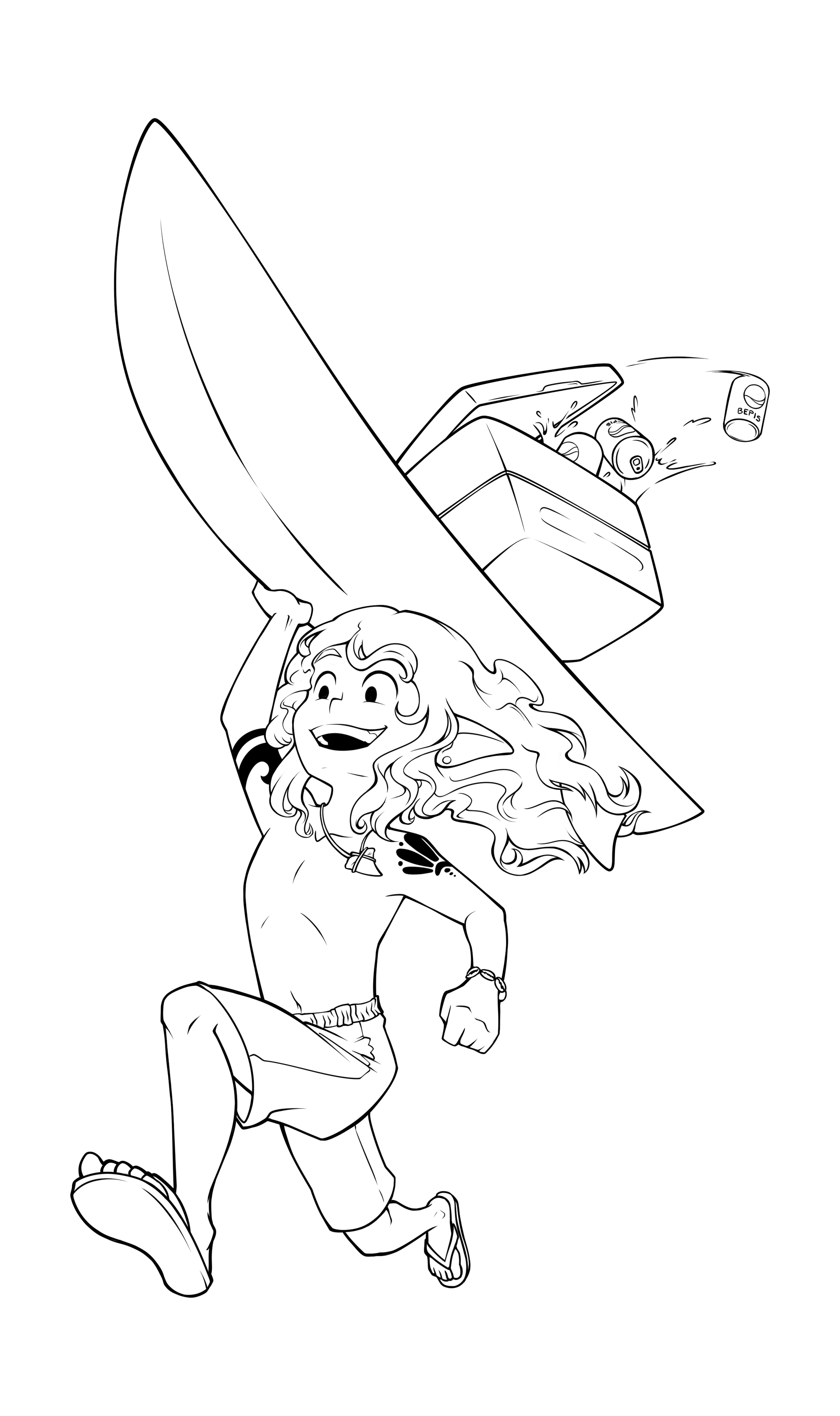
Nyahadin of the Rivers live in the proximity of rivers and lakes, protecting the waters from pollution. They are amicable to the boat caravans of Humans if provided with goods, such as prunes, goggles, and swimwear. They have large finny feet to swim fast, but also employ more awesome navigation methods such as surf boards and jet skis (if they have connections with the Techno Druids). They do speak with fish, but also eat them, depending on their mood or alliance. They can hold their breath underwater indefinitely, can skip across the water’s surface, and swim up waterfalls.
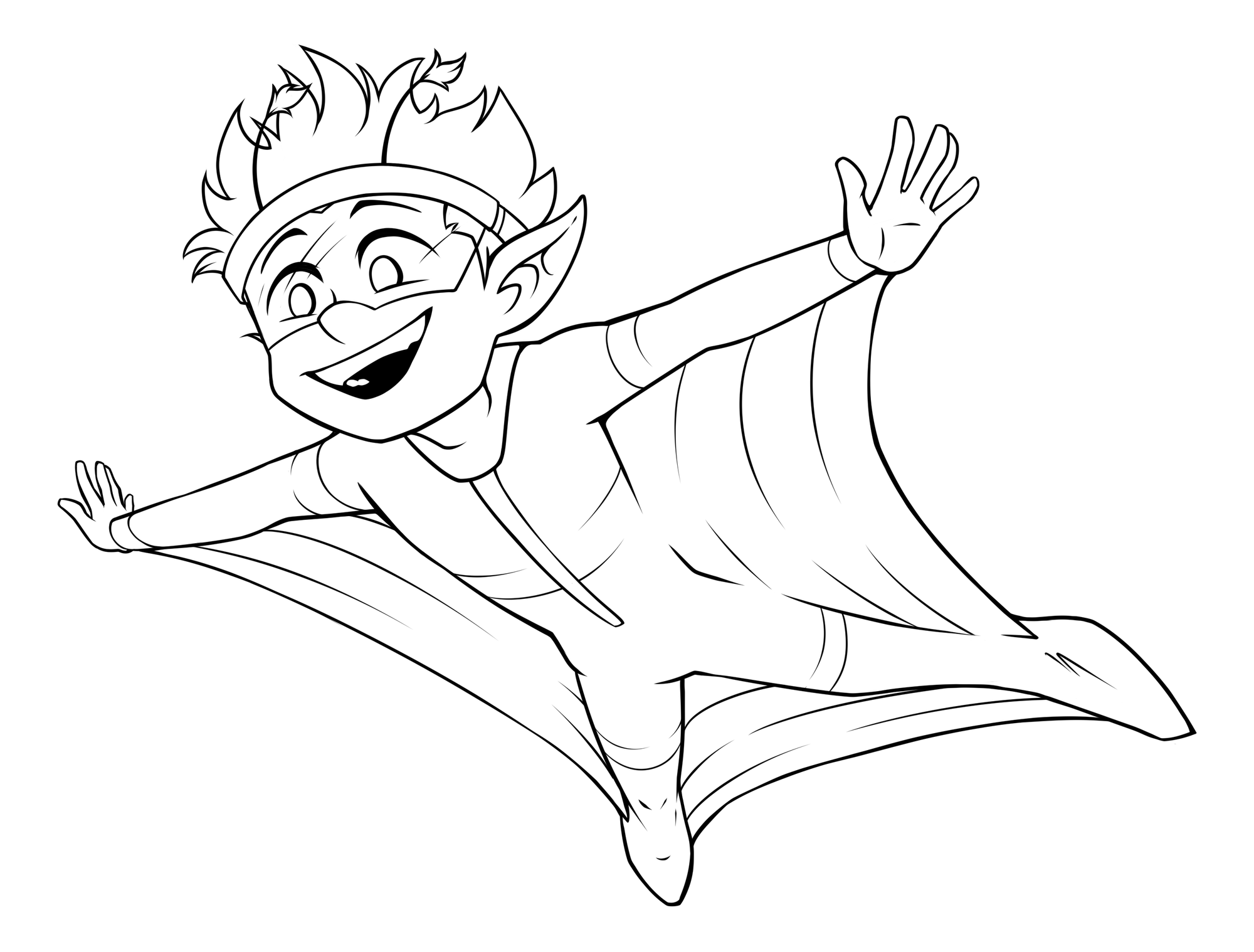
Zepherim of the Skies are found often on Sky Ships for employment, but have residencies in high cliffs and branches. They can run across clouds, employ sky boards, parachutes, sails, and are recognized for their antenna and short hair. It is said that they forever miss their fairy wings, and so craft a facsimile to ride the wind. They can hold their breath and remain buoyant mid-air if they hold still, they can summon and direct wind currents, and can fart to accelerate while in flight.
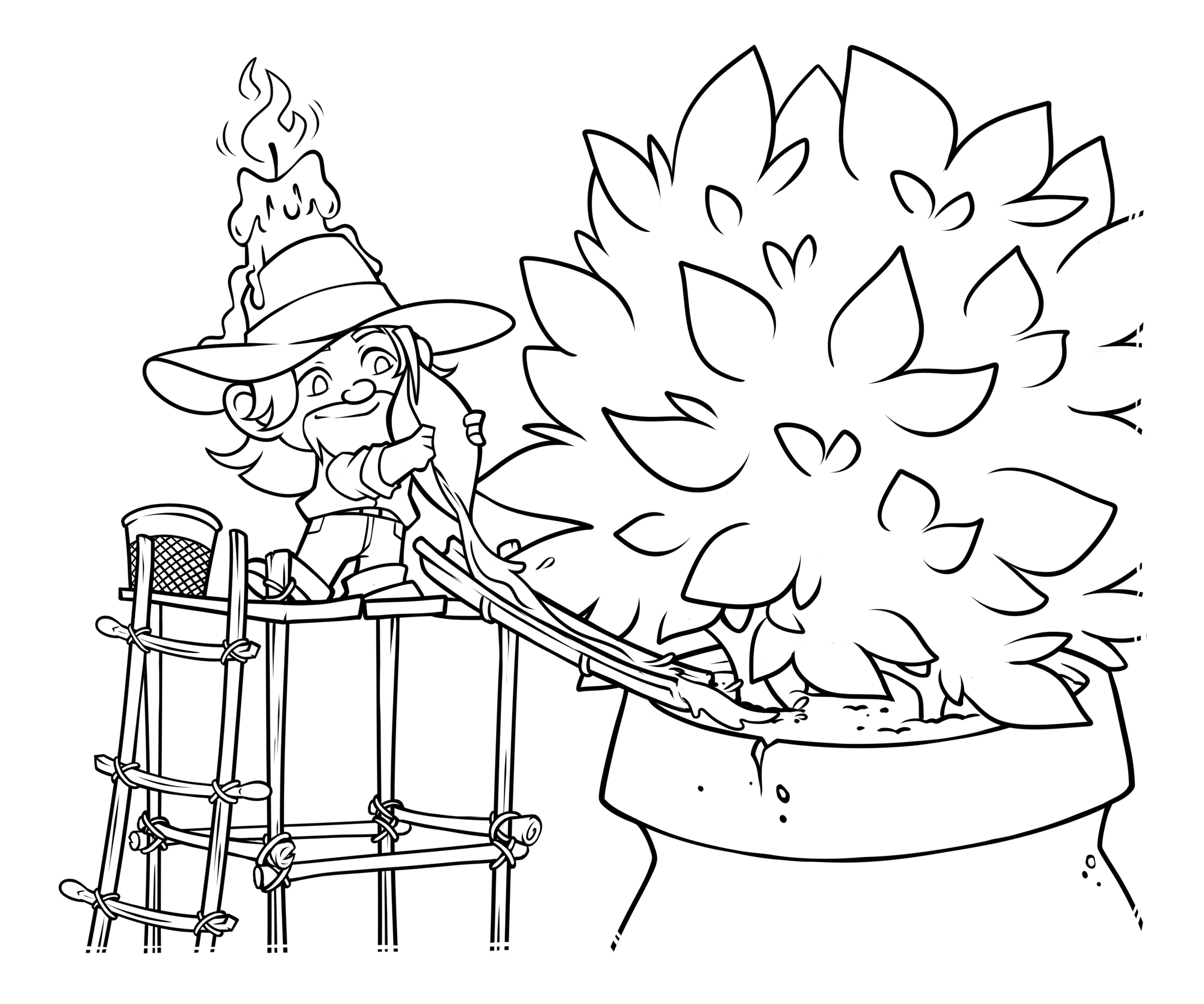
The Gnomes have homes in all sorts of places, usually in proximity to Crystal Mines, often near rivers or waterfalls where they can test their clockworks and engines. They are common to find among humankind, in gardens, and on Sky Ships. They are abnormally friendly, and speak many languages. They are experts in illusions and chicanery, and can easily deceive Humans, particularly those that are hostile. They also carry with them numerous pocket-sized gadgets for all sorts of situations.
Freblen of the Sands inhabit the wide desert spaces, with homes in their rocky canyon Sneeches which protect the Moon Tree. They have adapted to the desert, can hide in the sand, and summon the great Nissan Al Grub (and sometimes the Chevy Hulud), Worm of the Sand, which they ride from Sneech to Sneech. They guard the Secret of the Snice, a potent aphrodisiac, with no other observable power, other than prescience. They are highly acrobatic, can run up and down along rock walls, and go without water indefinitely. In fact, water is like wine to them, a luxury and sacred fluid. They can always deploy pocket sand.

Tribes of Orcs, the Wandering Unseely Tribes of the Scourged
Goblins are Brownies who had a really bad day, and now must set out on their own. Most gather with other Goblins for safety and live deep in the forest, in caves, or in basements. Some settle in with Humans, particularly among bandits, thieves, and gambling dens. Some grow to become Orcs or Dorcs, and some wander off into a swamp and become a Hag, plying potions, spells, and mixtapes. Some keep growing and become an Ogre, some learn magic and hang out under bridges, becoming a Troll. All goblins and Orcs can deploy a rock or stick buddy, but must acquire a pair of googly eye stickers, which are readily found in the Dead Malls. A Rock or Stick Buddy can be thrown down holes and chasms, and will always return to their buddy with stories of what they’ve seen; they will look in the direction of safety when at a crossroads. In caves and underground, Goblins can run along walls and ceilings with ease. If they grow into Orcs, they lose this ability, but can still run along walls with enough momentum.
Orcs of the Metal generally inhabit Wastelands, such as the Steppes and Canyons, hiding in caves where they work on their sweet rides and most awesome sound systems. They carry either the axe, the bass, or the drums, and perform the ritual of metal. They can mine the stuff, but only as much as they need, or until they get a headache from banging their foreheads against the rocks. They do know the approximation of forging, which is welding, and will craft great machines to navigate the Wasteland. They frequently trade with Techno Druids. Orcs will often change the shape of their noses to identify with certain clans. If you honk an Orc’s nose, they will be disoriented and may have a brief identity crisis. Often they become attached to a Wizard who can share the Records of Metal, which is their jam. Wizards who become attached to such Orcs are given the title of the Goblin King, and will often perform concerts to keep their tribe in thrall.
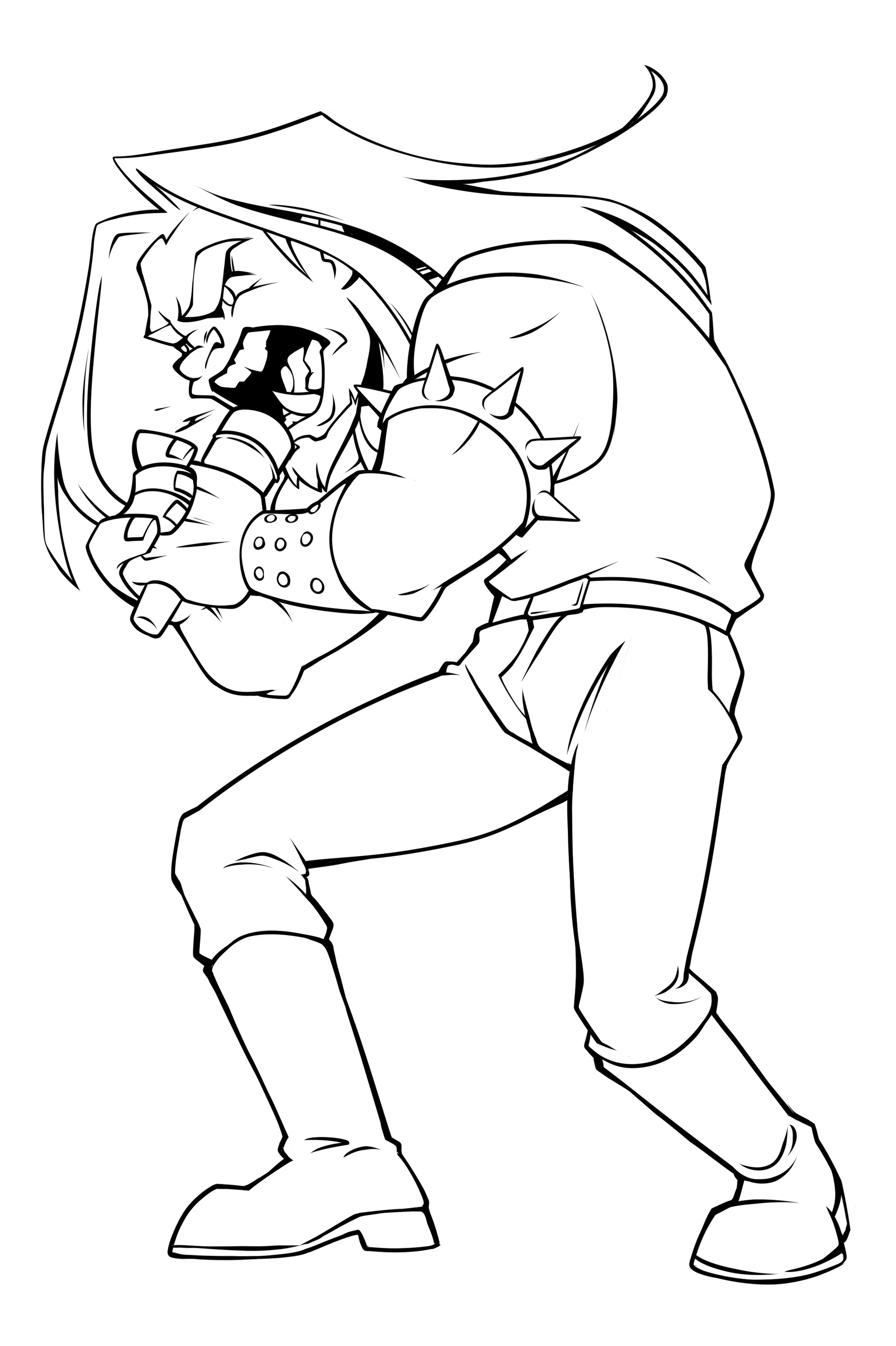
Dorcs are of the Stone and Deep Places, and will often have a Moon Tree, and if not will usually seek one out. They gravitate to the Dead Malls, with all sorts of wondrous loot and skateboards, which they use to navigate the cavernous tunnels and rails. They are natural tinkerers and electricians, piecing together remnants of the ancient world to watch old VHS tapes of music videos, restoring old soft drink and nacho cheese dispensers, and collecting quarters for the Bepis Machines. They often must defend against Daghorns. All Dorcs easily employ skateboards, BMX, pogo sticks, and many other forms of transport while underground. They are as good as Dwarves at navigating the dark caves.
The Satyrine of the Fire are the Masters of the Forge, and have survived the Scourging of Fire. They have horns on their heads and hooves on their feet, and can walk among the coals in deep places. They know secrets the Dwarves do not, and are the only ones who can forge Dwarven Bones. Satyrine are highly resistant to fire and heat, can withstand conflagration, can tip toe over lava, pluck hot coals with their fingertips, and are also fine chefs.
Nohmish Etiquette
All Nohmish fart as a greeting and a sign of respect and acceptance. It is part of their language. It is impolite not to sniff when such an offering is procured. In fact, Pixie Dust comes from Fairy Farts, which they use to rapidly accelerate to escape danger. It is frequently collected to be used in potions of levity, levitation, and relaxation.
The Nohmish have pliable noses which can be shaped to their preference, and reshaped for disguise. It is highly impolite to honk another’s nose. The Nohmish will also often have odd or even numbers of fingers and toes. When accounting with the Un-Nohmish, they may cut off a finger or toe for accounting purposes. This severed digit will turn to stone and be offered in the trade, but it is impolite not to retrieve the petrified digit and return it to its owner, who will pocket it for a later gambling session. The powder ground from such a finger is used for potions of luck, nimbleness, and pain reduction.
Speaking of potions, Nohmish Crystal Hearts are the primary alchemical component of Potions of Healing among Humans. Humans who use or carry such potions will be regarded with hostility by the Nohmish. Potions of Healing are very rare and expensive, and will be targeted by Nohmish raiders who will destroy them. To their way of thinking, it’s like making wine from your cousin’s soul, which is not only rude, but leaves the soul in limbo in the gullet of an Ape. There is no way to restore the soul except by spilling it back into the earth.
The Nohmish will collect any found heart fragments they can get their hands on. Taking heart fragments from un-Nohmish is not considered stealing. The Seely will return them to the most available Moon Tree. The Unseely, however, may not have a Moon Tree, and will instead hoard them for trade or perhaps a wager. This has been the source of much bad blood between the two courts.
Hearts continue to be a main focus in Nohmish culture; Nohmish will lay hands on their siblings' hearts as a sign of friendship, and this is an accepted ritual among both Seely and Unseely Courts. This is the equivalent of a hug. If you try to give an Elf a human hug, they will politely put their hand on your heart and keep you at arms length.
Duels between the Nohmish are common, but with Elves and Orcs it is usually combat, while Gnomes and less aggressive tribes will have a battle of wits. If combat is the scenario, it is only won by chopping off the head. It is discourteous on behalf of the winner not to offer the head back to the loser to be reattached.
The Nohmish can consume anything and purify it, even the Unseely. The results of this process are given as gifts. It is also very common to witness the Nohmish eating a pinch of sand, though the reason for this practice continues to remain a mystery.
Changelings
The creation of a Changeling will result in a Scourging. It happens when a young Elf, Gnome, Goblin, or an older Brownie becomes captivated by a human child. It is unclear how such a captivation comes about, but is often tied to the witnessing of childbirth, which is strange and disturbing to the Nohmish. It will start with the leaving of offerings, doing small favors, and generally watching over the newborn. They will protect it ferociously. If they are not guided by their siblings, the Nohmish will at some point attempt to touch fingers with the baby. If this happens, their souls are switched. The result is both terrifying and disorienting.
The Soul of the Elf will now be in the baby’s body, forced to experience all the limitations of the infant, while the Soul of the Child will be in the Elf’s body, with all of the memories of the Elf. There is much crying out, and the parents will quickly come to the child’s aid, whereupon the Soul of the Elf, stuck inside the Child, will feel the love and embrace of a human Mother for the first and only time. The Soul of the Child, stuck in the Elf’s body, will be terrified and flee before the parents can behold them; they will have to wander in this strange new landscape with all the senses of the Nohmish, but the mental capacity of an infant. They will be marked as Scourged, Unseely, and will have to make their way in the world either on their own or among the Unseely. The Human Child with the Soul of an Elf will eventually become suspect to the human society, even to the parents themselves, and may become an outcast, for the Soul of the Elf will be guiding them. This happens when the child begins to manifest the Elf Soul’s Magic.
Once the soul-switch happens, the memory of the event will fade quickly within the two. The soul will come to accept their new body as if it was always meant to be that way. The two will be inextricably linked, yet will never be able to rectify the Change. They may find each other in the wide world, they may become friends, they may become bitter enemies, yet they will always know each other on sight.
A Changeling, although appearing to be human, will demonstrate the magical abilities of the Nohmish, and it will be a mixed bag of abilities coming from any number of tribes. These abilities can be rolled up, or selected during character creation. They will have a natural talent for Human Magics, and will often apprentice to Wizards. The Elf Changeling will have the abilities of elemental attunement, which can be selected during character creation, but also will have the understanding of Human Magic, and can counter and dispel enchantments cast by Wizards and Druids.
The Burning of A Moon Tree
If the sacred site of a Moon Tree is found out and an enemy breaches its branches and sets it aflame, the entire tribe is lost. Those that are consumed in the conflagration and survive are transformed into Saytrine of the Flame and must go into the deep. They are now Unseely, but have learned the lesson and bitterness of the Flame. Those burned to ash have only their heart stones to collect. Those that escape the conflagration and run into the wild are in Limbo. Some may become Vagabonds, Elves who sell their services to Men and Dwarves for a price, attempting to collect as many heart stones to bring to a new tribe, or to ruminate on their own misfortune, and pass their wisdom to other elves they meet. Another option for any survivors will be uncommon, and must have already had the seeds planted by the Hag.
A Hag is an Unseely Elf who sets themselves up in a Swamp, crafting magics and potions for trade, usually with the soul of a Mortal involved. They thrive on either ensnaring or killing Mortals, and this includes both Humans and Dwarves. Only the Hag has the ability to raise the dead, but she can craft an item given to a select Elf to effect the raising. They do not run along trees, but rather they crawl on all fours. These elves are also natural contortionists and escape artists, so they are very difficult to capture.
A party in a Hag’s domain will be sensed and tested to see if they are malleable. Often this comes in the form of boons or gifts as they are led to the Hag’s lair, where she will try to strike a bargain. However, a party who enters a Hag’s domain with hostile intent is in for a world of nightmarish agony.
Hags are considered Unseely by Elves, but on occasion, an Elf will become beguiled or convinced by the Hag that their tribe is in danger, and will use the Elf to create a faction. The Hag may or may not incite the incident of conflagration, but will reap the profit. The followers of a Hag who escape the Burning of the Moon Tree will find their way into her swamp, and they will become…
Squasos of the Swamps, the most dangerous foes to face en masse. They use all forms of traps, poisons, and treachery. They will kill ruthlessly, and any prisoners they take will only be used for food, their bodies flayed and salted, hung from swamp trees. The meat is harvested periodically and turned into fine charcuterie. If the Elves have an abundance, they will sell it to dealers of the unscrupulous sort, who will take it to markets among Humans and Dwarves and sell it at a high price, due to its succulency. All Nohmish who get a whiff of such meats will know exactly what it is, and call it Hag Flesh. Such meats are used to further the extent of the Hag’s influence through the stomach and mind, leading to all sorts of unnatural behavior. In extreme circumstances, it can create an outbreak of Wedigo and cannibal cults. The Church of Ademos unfortunately does not have the ability to identify such outbreaks, because of the hostility between Elves, Humans, and Dwarves. To them it is mysterious, and written off as “evil influence”, often innocents being tried for witchcraft and burned at the stake, having had no part in the process.
Swamp Elves do not keep Seely Elves alive; they are killed for their Heart Stone fragments, which are used in the Hag’s alchemical processes to produce the finest Healing Potions. They will sell such potions for cheap in prunes, often in bulk, but which will carry a most unsettling price in the fine print. Swamp Elves also have the ability to mimic voices, hide in the fog and mist, to create illusions and nightmares, summon frogs, eels and insects, and can run across water and even balance on lily pads.
The Suetlie
Hill Dwarves will not set up residence in the mountains; they prefer the hills and a quiet community in the proximity to humans, particularly Halflings. Humans welcome this closeness as they value the Hill Dwarves’ knowledge of stonecraft and metallurgy. Additionally, these Dwarves build homes similar to the Halflings and share a good bit of culture with them, building thriving communities together.
Because of this close proximity there are occasions where a human and dwarf will fall in love and wish to have a family. This causes great consternation between the two peoples because the offspring of a Human and a Dwarf is always an Elf. This is an Elf who will know a mother’s love, yet be in a world where acceptance is not always a given. Due to ostracization and social scorn, many of these relationships fail.
Not belonging either to the community of Humans or of Dwarves, the Elf child will eventually feel the need to find their Tribe, and will break from the parent or parents in order to do so. When encountering a Tribe they feel drawn to, they will be met with hesitation as Elves born of the Moon Tree will smell their origin. However, the Nohmish are not cruel by nature, so they will start to test the “Suetlie” Elf to make sure they have what it takes to be part of their tribe. This Elf will be tested hard and bear scars that are acknowledged, though this will not lessen the pain they endure.
Those that do not pass the test are cast out as Unseely and will have to find their own way. This often leads to finding cohorts among the Unseely as ambassadors, or making their way among humans. Because of this, the Suetlie have found themselves among many different peoples: the Nohmish, the Dwarves, and among Humankind. They are not often treated well, and have had to come to terms with the wounds they bear upon their hearts.