Parable of the Dwarves
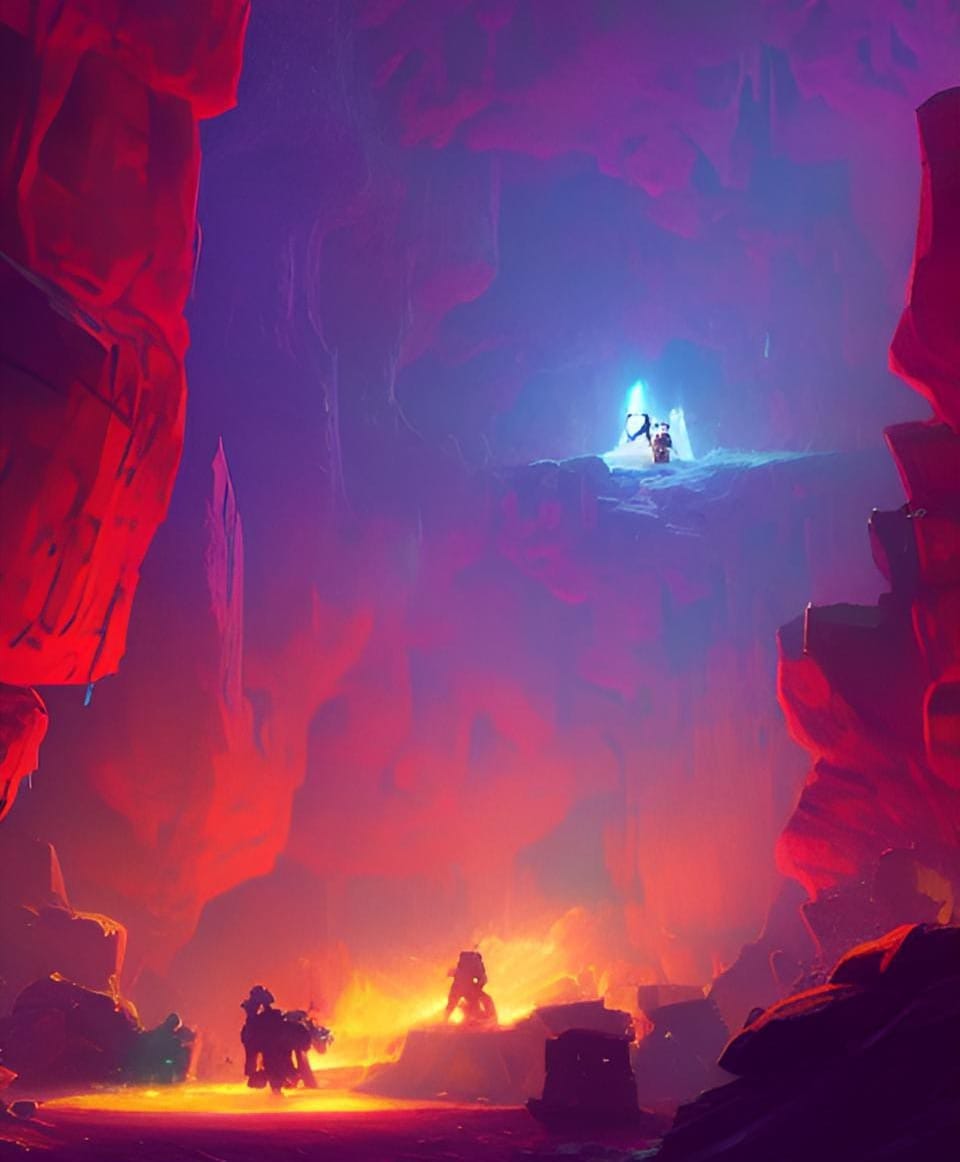
The Dwaruhn is what they call themselves; Dwaruhf is equivalent to friend or cousin. Dwarves are hard workers, and live in tight knit clans with strong familial ties. Clans will bond with others through marriage and form a Kindom. These are highly democratic, for Dwarves value their freedom and autonomy above all else. Each Clan has a council of Old Heads, who elect a representative to the Kin Council, and they will elect a Patriarch and a Matriarch. The Patriarch is the representative to the outside world, and the Matriarch manages domestic affairs. The two do not have to be married. Arguments are encouraged and frequent between the two. These positions are held until they either step down or are impeached by the council for corruption or negligence. Such trials are humiliating affairs for the Dwarf in question.
Dwarven Kindoms can grow into populations as large as a million dwarves, but usually do not get bigger than that. Such large Kindoms are difficult to manage and will often break into smaller groups and form a Confederacy with multiple Patriarchs and Matriarchs. Such Confederacies will span many miles and levels of tunnels inside their great mountain cities.
The Faith of the Metatron is the religion of all Dwarves, and is referenced in the book of Ademos and recognized as a sect by the Church of Ademos. The Dwarves recognize Ademos, but do not worship or pray to the prophet; they only recognize the Metatron as Divine.
Temples of Tones are built in each Kindom, which are the largest structures, where all members come to worship at the start of each day. The largest Kindoms will have one main temple and several satellite temples to accommodate a million dwarves. The main feature of these temples are the Pillars of Bobulation, which are harmonically tuned, and are believed to be the salvation of the Shattered World.
There are three domains that Dwarves excel in mastery, they are Earth Shaping, Forging, and the Tones. Earth Shaping begins fundamentally with mining, and ranges from pottery to stone carving, gem cutting, and masonry and architecture. Forging is the process of forming and shaping metal and stone under great heat and pressure: this includes the knowledge of metallurgy, inert crystal formation, and engineering. The Tones is the science of sound pressure at all frequencies and their harmonic relations, which is key to both their faith and science. Dwarves have their own magic in the form of how they manifest sound, either through their bodies or through instruments they create. They are also collectors of the ancient records, and are very selective in what Music they use. They will often be a source for the Church to off-load some of their forbidden Disks and Tapes, and have formed many good relations with Human Librarians. They have a particular affinity for the blues and techno.
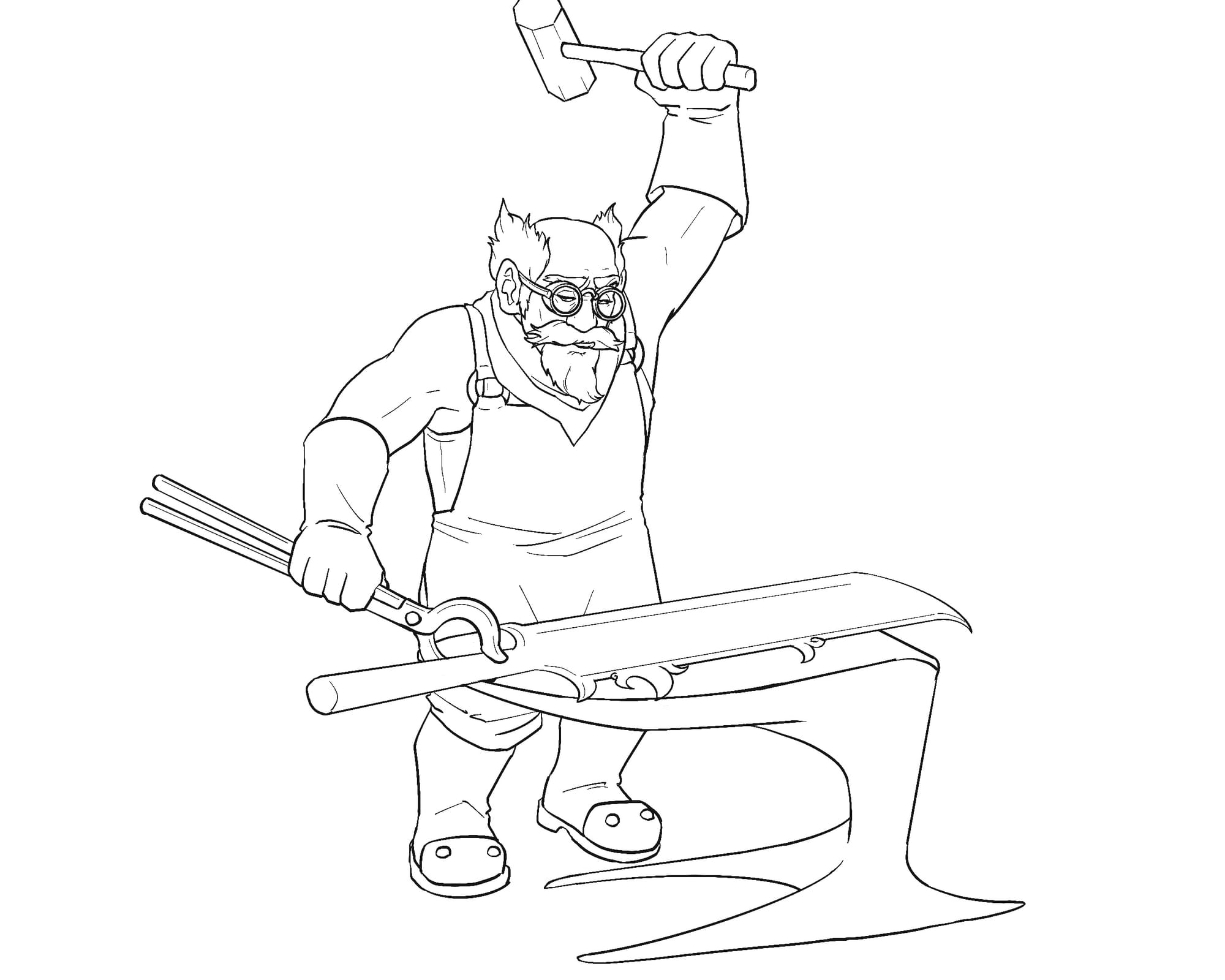
Dwarven society is organized around the production of innumerable products which are traded extensively throughout the Known Realms. They are also active collectors of junk discarded by humans, which they melt down in their volcanic forges to distill useful metals and fertilizers. They commonly unearth relics of the Ancient World, but are highly selective of what they choose to investigate, and often trade such relics with Druids.
Dwarves are the only creatures that know how to farm underground. Sunlight is channeled through air vents using mirrors over miles to grow turnips, squash, radishes, and mangos. Dwarves also are master cultivators of mushrooms and night shades, including egg plants and cave tomatoes which grow in low light. They also heard burrowhogs, wild haggis, and fish for tetra and cave crabs. They brew all sorts of beers. A lot of what they trade is for wheat which can only be grown on the surface.
Dwarves have uncanny senses in the darkest places. It is said that Dwarves see with their whole bodies while underground. They can hear how echos reflect, can sense vibrations in the stone, and can smell changes in air pressure, and have the best internal compass of all peoples of Airnea.
There are too many clans to name. However, culturally Dwarves are divided depending on where they reside, which they call Distinctions. The Distinctions are as follows:
Hill Dwarves live in houses as men do or in holes like halflings, and belong to communities of large or small populations. Hill Dwarves have found that their reputation as great smiths and engineers has imbued a feeling of pride among humans, who will often brag about how the smith in their town is a Dwarf. Dwarves enjoy this, but it has a downside. They may not have the same problem of disorientation while above ground that Deep Mountain Dwarves are afflicted with, but they will never be seen as real dwarves by their cousins.
The Mountain Dwarves are, in their own estimation, the real dwarves. They are the ones who carve out beautiful and homey caverns beneath the Mountain, protected from dragons who hunt the skies. They have parties all night because to them it’s always night, and they can party when they want to. Except for the times they need to work in the Forge for the Glory of the Metatron, which is most times. These guys leave crystal work to Gnomes. Dwarves make the Stones Sing, Make the Hammers Clang, and The Steel Sharp! They have great bards and Bard Bands, which they shorten to Bands that play the music of the Rock! There is even a legendary Motor-Cycle.
The only problem is that dwarves move at half the speed as compared to everyone else, and don’t swim without floaties, so all swim checks are always hard. They can only jump half as high, otherwise they have to be tossed. People tend to use them as literal stepping stones during adventures. You are hungry twice as often, and starvation will quickly succumb to madness, often mistaking your fellow party members as large turkey legs or salted hams.
Dwarves love mushrooms and have to make an intelligence or wisdom check every time they are near an edible mushroom, and if they fail, they go over, pick it and eat it, and it restores 1d4 hitpoints. This does not apply to grappling mushrooms, which have to be cooked first.
Then there are the Deep Mountain Dwarves, who have lived their entire lives underground. If a Deep Mountain Dwarf goes above ground, half all their stat bonuses, rounded down, during the daytime, and they have to make Intelligence or Constitution checks to do anything above ground. If they Fail, they make a wisdom save, and if they fail they start curling up into a ball. Unless they are wrapped in a sack and carried to the next available underground area, they stay this way. This is called the Sky Sickness. They can counter this by wearing sunglasses, large brimmed hats and carrying a black parasole, and then have to make a constitution check every 5 hours to avoid Sky Sickness. They also start to sweat profusely when above ground during the day, and will suffer exhaustion at twice the rate as Humans or Elves, unless they carry an umbrella. They will still have to do an intelligence or wisdom check to be able to tell direction, and generally it’s just safer if they follow someone.
During Night-time, Deep Mountain Dwarves will not have any of these problems, but will still have to make an intelligence check for telling direction, and must do an intelligence save if they must stare into the sky for longer than a glance, otherwise they will experience vertigo and start to pass out. This means a Constitution Save, at which point you can steady your balance requiring strength Save.
If a Hill Dwarf visits a Mountain or Deep Dwarven city, he can speak Dwarven with them, and they will not shun him. He will be welcomed to all Ceremonies and Feasts, and they will carefully explain what these feasts and ceremonies are for, because only true Mountain Dwarves understand the deep importance of our traditions, unlike Hill Dwarves which are forced to live between two worlds, never fully being accepted by either, and how awful that must be. During the best Feasts, you will have the honor of being the butt of all the jokes of the popular dwarves at the head of the table, and they will make fun of you all night, and talk about your undersized genitalia from living under the sun for so long. And my dwarven sisters, do not think that it gets any better for the sisterhood between Hill Dwarves and Mountain Dwarves, because it doesn’t, it gets worse. Don’t even think of entering a Mountain Dwarven Beauty Pageant; it’s just not happening girl.
Then there are Frost Dwarves who live in the cold wastes and arctic islands. They are rarely seen in the Middle Continent, but there are Kindoms in the mountains and cliffs of Northern Vehrune. These Dwarves are as crafty with ice as they are of stone, and have a natural resistance to cold.
Dwarves are by nature, resilient creatures. The harsh cold conditions endured rather than the constant roar of the furnace leaves most other dwarves impressed. Besides that, the Frost Dwarven Elder just presented a gift to the Deep Mountain Dwarves, and it's an ice sculpture of a Falcon, and he just placed it on the ceremonial forge, and it's not melting, and it stands there while it waits for the Deep Mountain Elder to accept it. Frost Dwarves are at home under mountains or sky.
Frost Dwarves are given respect by all other Dwarves except for Island Dwarves. Island Dwarves think of Frost Dwarves the same as any Dwarf, which irritates Frost Dwarves who are most baffled by Island Dwarf culture.
Island Dwarves are usually a single clan that have taken over an entire island, and build it out as needed. These Dwarves are as mechanically proficient as Gnomes, however they tend to steer away from Crystals whenever possible, preferring clock work and chemical systems. They are extremely efficient in their use of resources, and are as inventive as gnomes. The two races have a respectful relationship and collaborate often. A project team that has a gnomish Crystologist (Ergeistesmeister) and a Dwarven Engineer (Mechkanuk) is a highly prized partnership sought by both royalty and entrepreneurs. When Island Dwarves are not busy in their workshops, they enjoy a sweet heady beverage, smoking their daghorns on the front porch, generally taking it easy. They wear simple robes and sweatpants or shorts, with sunglasses to cut the glare when they are sky fishing on their “yachts” which is what they call their floating island homes. Don’t hassle them bro, it upsets their feng-shui, and that’s not cool man.
What unites all dwarves is their Unbreakable Bones. Dwarven bones have more in common with metal, so they may get bent or dented, and to bend them back into shape is as painful as the injury, so it is common to see dwarves with slighting misshapen limbs. However this makes them extremely difficult to injure. It also makes death by injury for Dwarves a very long and painful process. They can die of exposure, exhaustion, conflagration, but not by crushing or dismemberment. They are the most resilient creatures.
Dwarven Culture and Customs
Dwarves are highly traditional, religious, and family and community oriented. The more developed a dwarven Kindom becomes, the more Evangelical they become, which is tied directly to the Building of the Temple and the 12 tone Pillars of Bobulation. They are determined to rebuild the world, bring the continents into communion with the sea once more. Some say determination is built into their unconscious mind. Dwarven societies that have become decadent, more obsessed with riches and luxury, eventually abandon their temple building and quickly collapse, with the survivors either setting out to a neighboring Kindom, and return to rebuild again with new recruits, or set out to find a location for a new Kindom to be established. The locations of these Kindoms must be selected carefully, and the Dwarves have made extensive maps of the networks of Ley Lines by which the continents are bound. Island Dwarves are particularly fine cartographers, making maps of the great continents from all angles, and have become a valuable resource for those who still dwell in the Mountains.
Dwarven culture is focused on families, with mothers and fathers cultivating wisdom, imagination, and compassion in their children. They have very large families (twins and triplets are frequent), and extended families come together on the many Holy Days for church, barbecue, and fine mushroom ales, in moderation of course.
Dwarves work 39 hours a week, no more, no less. When not working, they are spending time with family, playing games and solving puzzles, fishing, hunting, remodeling the house, doing repairs, and always singing and playing music.
Dwarven Games:
- Toss the Forbidden Donut (beginner) - Each young dwarf has a set of tongs. A ring of bright hot metal - called a Donut - is tossed from one dwarf to the other, which must be caught in the tongs. If you drop the Donut, you are out.
- Toss the Forbidden Sausage (advanced) - Similar to Forbidden Donut, except it is a cylinder shaped metal piece, making the challenge more difficult.
- Hungry Hungry Hamsters - Collect all of the flaming hot marbles with tiny clay cups. Don’t let the cup break!
- Dodgestone - Similar to our game of dodgeball, two teams square off to throw large, heavy, ornamental rocks at each other. If you get hit and the rock bounces off, you are out. If you get hit by a bouncing rock, you are out. If you catch the rock, you are still in. Lots of lumps and bruises!

- Trouble Songs - Dwarves take turns telling stories of troubles, and each gets a verse on how to solve said troubles.
- Scrappin’ - When there are issues between two groups of Dwarves, a Scrap Session can be arranged between each group’s champions. A challenge is issued, judges are selected, and there is an assembly. There are two variations: one is a chant off, where the dwarves make their complaints publicly and the council of judges make a ruling. This is usually done in rhythm to the crowd stomping and clapping, with the tempo set by the Lead Drum. The other variation is a fist fight between champions, which can be won by a knockout or a tap out. This shows off the Dwarves’ skill of martial prowess, and is observed by judges from both sides.
- Bowling - Similar to Bocce ball or lawn bowling crossed with croquet and pinball. In a lane about 8 dwarves wide and 10 dwarves deep, the 19 pins are arranged at the intersections of a hexagons subdivisions, and in between are a number of hoops that can be rolled through for bonus points, and around the edges are numerous bumpers which will ricochet the ball back into the lane. Once the ball stops moving or goes out of bounds at the far end of the lane, the round is over, hoop and pin points are counted. The best score is when all pins are knocked over in one throw.
- Snooker - Very similar to the popular billiard game, but with a hexagonal table.
- Battle Spinners - A game played with spinning tops in a large bowl with obstacles, largely a game of chance with a bit of physics (with as much attention that physics is giving nowadays).
Dwarven Contests!
- Most Exquisite Tubers are potatoes, yams, and yes, pumpkins (not tubers) that are of such extraordinary size and sucuclency that they are given prizes.
- The Great Balm-Off are herbal ointments that are so ailment-alieving that they must be put into immediate production.
- Recording Industry is a method of processing tones through engineering so they are both reproducible and resonant enough that the algorithm must be preserved by being “recorded to tape” on large reel-to-reel tape machines. The highest honor is given by the Council of Old Wives and Widows, colloquially known as a “Granny Award”.
- Divulsion is a contest of wills, where two parties compete to reveal the deepest secrets of the other, and are forced to contend with the truths that will unfold. This is a game that is reserved for the Courtroom.
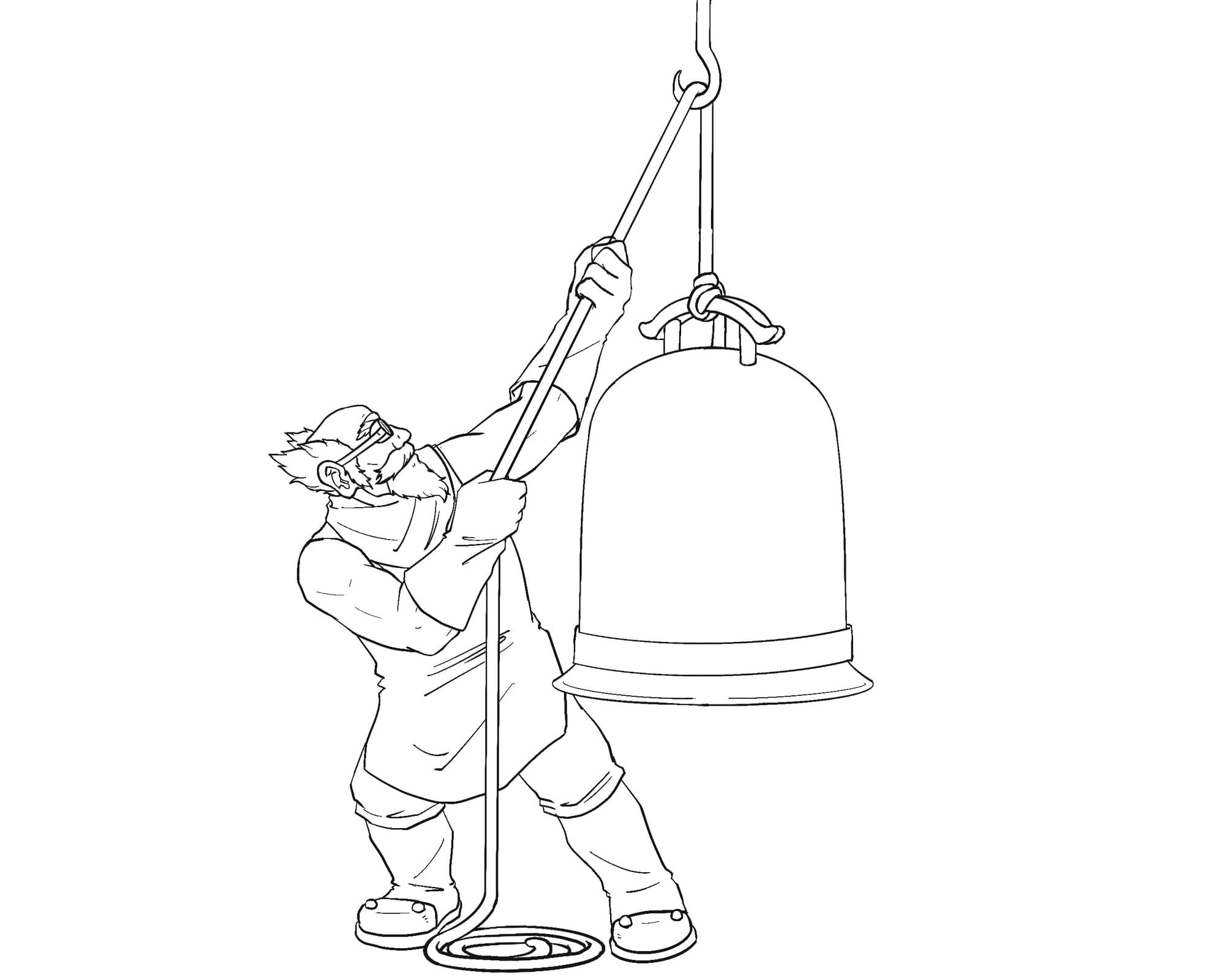
- Tug of War is a game of strength and will between two households, where a feud or argument between them has taken hold and no resolution can be found otherwise. At the center of the rope is a large weight that will ring one of two enormous bells, declaring who is the victor. This is followed by a party, and all grievances must be absolved. To outsiders this may seem pointless, but for Dwarves it holds great meaning.
- The Nineties, where one drops an insult upon another’s mother, whereupon the one insulted must drop an equal or more unsavory rhyme upon the other’s mother. A jester is frequently involved to de-escalate.
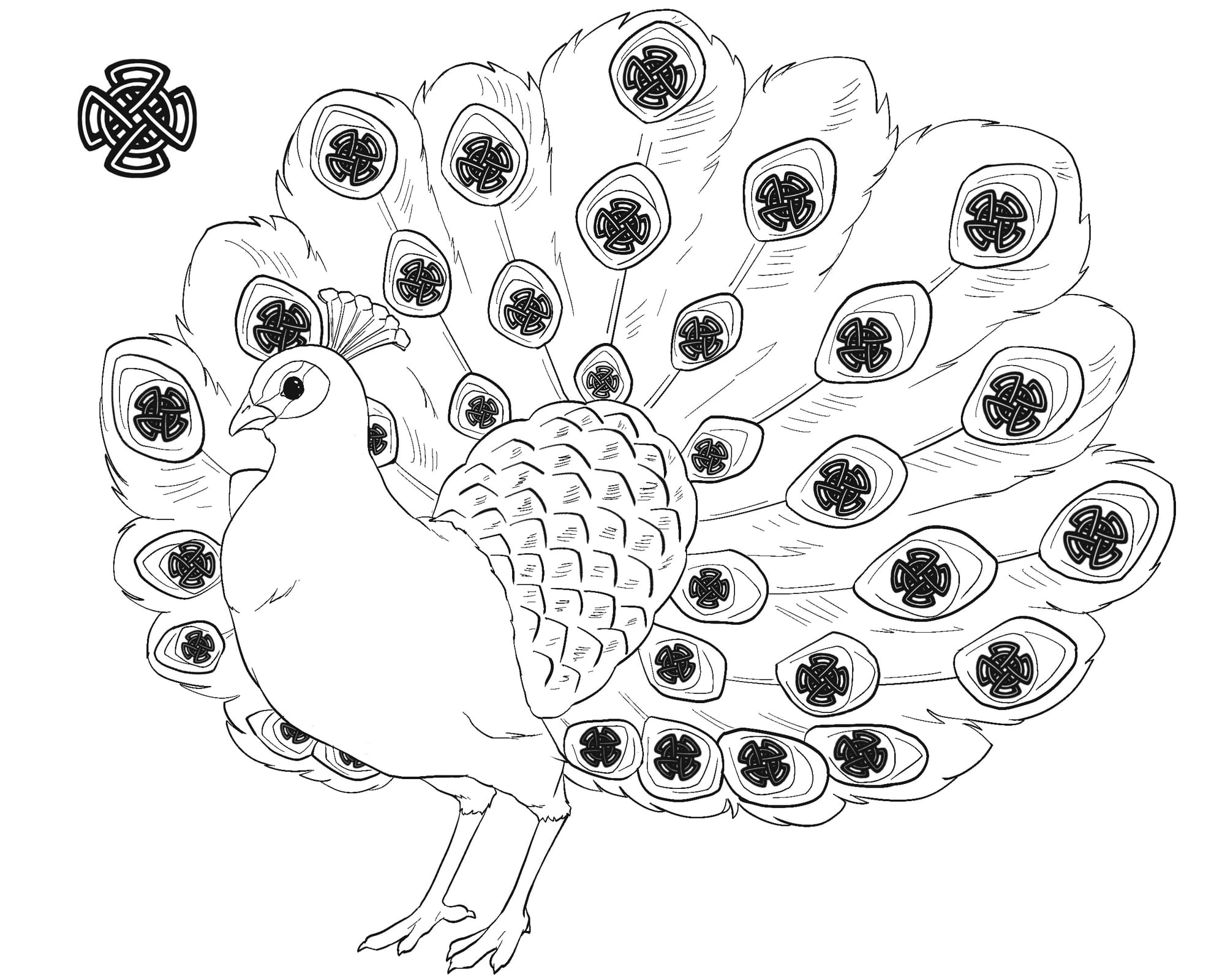
- Potency is a game of romantic prowess through word play, feats of swag, and displays of wealth. It can be engaged by any gender, usually with the objective of hooking up with a mate, but this is a long form game, which sometimes takes years to resolve. This will include many activities including, but not limited to: sass, peacocking*, struttin’ (dancing), and high rolling (going to parties dressed audaciously, which can lead to eye rolling).
*Dwarves raise miniature peacocks rather than chickens. A Dwarves peacock flock is a sign of wealth.
Dwarven Holy Days
Dwarves work hard and play hard. Conflicts and arguments are settled with games and contests, which happen on these frequent Holy Days. No work is permitted on these days, only fun! After Morning Mass of course.
This is also a time of much drinking and buffoonery, in which many slights can escalate to Scrapping. The following Morning Mass is dedicated to words of forgiveness for such trespasses, but grudges are hard to let go of, particularly among Dwarves.
Dwarven Religion, Thaumaturgy and Geomancy
Devotion to the Metatron has produced the wonders of Dwarven civilization. This includes not only their Technology, but the art of Geomancy in all its forms, yet fundamentally it is the power of their faith in Prayer and The Word that has captivated the other peoples of Airnea. This is what the Dwarves call Thaumaturgy.
Thaumaturgy starts with the breath, shaped by the mind, and released through The Word. The prayers that Dwarves utter are musical in nature, so all Dwarves participate in the Choir. They sing Bel Canto, their voice having great and deep resonance despite their small stature. Their focus is to embody the spirit of the Metatron and evoke its presence. Each prayer is to manifest a different aspect of the Metatron.
Geomancy involves the understanding of the Material World, its laws and peculiarities, and to reassert that which Physics has been ignoring. Geomancy includes Geometry, Geology, Geography, and the Art of Tones. The Tones are what hold everything together, everything has a vibration, and the ability to find the root and the harmonics is key to both command the elements and provide prescience of time. Dwarves build unusual tools to determine the vibrations, and are used in all their architecture and engineering, which also makes them excellent Plumbers.
Dwarven Shadow Vision
Dwarves do not see in the dark; rather they can see the variations of shadow, hear the echoes of the space, smell the movement of the air, feel the gravity of the room, taste the pressure of the atmosphere. Some say that Dwarves “see” with their whole body when underground, and Deep Mountain Dwarves are most attuned to this, which is why they have a difficult time above ground where everything is too bright and too loud. This does not mean they can navigate with ease in unfamiliar darkness, they proceed cautiously and very quietly. Dwarves do not stomp around, they are quite nimble while underground, paying attention to every change in the depth of darkness.
Dwarves, Dorcs, and the Dead Malls
Dwarves are not fans of the Dead Malls, not that they do not visit them to explore, but that they do not linger. They only go if they need to find something of the ancient world. Dwarves have had both peaceable and hostile relations with the Dorcs. Dorcs are not a real threat to a trained dwarven cohort, but in large numbers even Elite Dwarven Guards would be overwhelmed by the creative and unpredictable tactics of the Dorcs. Also, Dwarves do not use skateboards or BMX bikes; they struggle with it because of their short legs, and will get frequently clipped by Dorcs moving at high speeds.
Dwarves, The Nohmish, and Humankind
Dwarves have patchy relations with outsiders. Humans will frequently trade with dwarves for their fine craftsmanship and engineering. Hill Dwarves form tight knit communities in proximity to humans, who value their abilities to smith and repair. Humans will protect these communities, even during hard times, and Hill Dwarves will fight side by side with Humans in conflicts, even with other Dwarves. However Dwarves of the Mountain are more cautious, and hold grudges. A dwarven corpse robbed of its bones discovered near a human settlement will earn the enmity of the entire Kindom. Dwarven strongholds will sometimes be besieged simply to acquire the gold and gems within, including Nohmish crystal hearts.
The Nohmish have a much more hostile relationship with Dwarves, as the Dwarves will collect the crystal hearts where they find them to craft healing potions, or for exchanges with humans. This is an unforgivable act of theft in the eyes of the Nohmish. The Nohmish in turn will hunt Dwarves found alone in the wild for their bones, which they use to craft weapons and armor, a secret known only by the Satyrine Elves of the Flame. Seely Nohmish are as guilty of this as the Unseely.
There are Kindoms that have cultivated tolerant or even friendly relations with the Nohmish, but they are rare and often tenuous. Any misdeed committed on either side must be met with severe penalties from the Tribe or Kindom from whence the misdeed was committed for it to be substantial, and such alliances are held together primarily by strength of trade and diplomacy. Which is where the Suetlie play a significant role.
When a Human and a Dwarf mate, the offspring is always an Elf, and know one knows why. Such relationships are prone to failure, because the parents do not know how to handle such a child, and the differences in approach put heavy strains on the relationship. However, an Elf that knows a Mother’s Love is of unique character, and when adopted by a Tribe or even a Kindom, they serve as important ambassadors between the two peoples.
Dwarves and the Blues
The Blues is a very private affair for Dwarves, usually played in solitude with only a guitar or piano, usually after a marriage has ended or a loss endured. Dwarves do not openly express emotions, they are stoic to the core. The Blues is the one outlet they have to embrace their grief and sadness, and to heal. Every so often at a Tavern, a Dwarf will feel it necessary to render one of their songs publicly, and it is both somber and exciting, for it breaks the social norms.
Dwarven Military Tactics
Dwarves' primary weapons of war are spears, pole arms, crossbows, and firearms, when they can be obtained. Dwarves are particularly good at refurbishing firearms found in places like the Dead Malls, but crafting ammunition for such devices is time and resource draining, so the number of shots used is always conservative. Dwarves have also taken to crafting their own such devices, but with simpler designs, usually muzzle loaded.
Dwarves will use axes and hammers at close range, but the primary weapon of choice is the spear or a pole arm, to maintain distance from their opponent. When range is close they will switch to long stilettos or thrusting knives to find the creases in the armor.
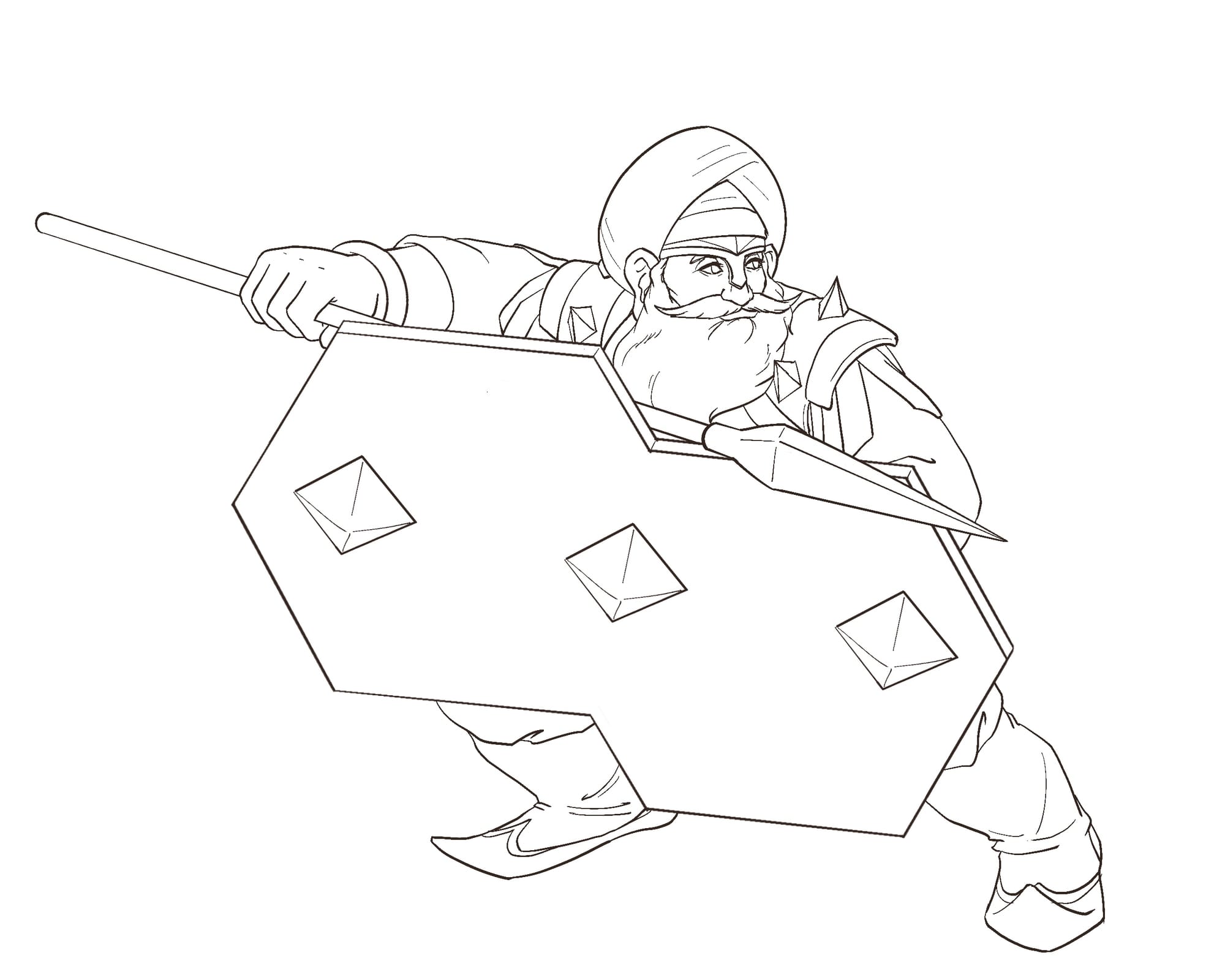
Dwarves' primary means of defense are their interlocking shields. Dwarves fight in tight formation, with their shields forming full cover of the unit, giving it the look of a wiggling pill bug. The shields have strategic holes placed at the edges where they can slip their spear tips. Taking on a dwarven armored unit is akin to fighting a highly mobile reinforced porcupine from behind. They will also time their more devastating pole axe strikes by parting shields momentarily as the axe swings wide to deliver a killing blow.
Dwarves also have the uncanny ability to ground themselves to a spot, and are unable to be moved. Even Giants find it difficult to pick up a dwarf in such a position, as if they were a rare earth magnet on a metal surface. Dwarves in a unit who ground themselves simultaneously become an effective immovable object.
Dwarven armies employ this to a greater effect as units will work together to form larger formations called an Anvil, which is a highly effective defensive position. When the Anvil starts moving forward, it grinds down its enemies at ever increasing momentum. Dwarves train to work together to maximize their momentum and overrun foes up to 10 times their size.
Dwarves in a fist fight are just as dangerous. Since they have unbreakable bones, they do not hold back on their blows, and against a larger opponent they do not hesitate to fight dirty. Their height puts them at advantage on an uppercut to the nuts, so don’t pick a fight with a dwarf. It is not uncommon for a Dwarf to crack a human skull with a single hammerfist to the crown.
Dwarven Wounds and Injuries
Dwarves have Unbreakable Bones, but their bones do have a tendency to get bent in the work that they do. Restoring a bent bone is as painful as the injury, and is not always perfect, so it is not uncommon to see Elder Dwarves with mis-aligned bone structure. Any bludgeoning damage is halved.
Dwarves, however, are as susceptible to slashing and piercing damage as Humans. Though they cannot be dismembered, decapitation is possible, though it would require a most precise and forceful blow to get between the vertebrae of the neck. All tendons are like living steel cables.
Dwarves do not go alone into the wilderness; they always move in small groups. Banishment as a punishment is much feared, as a dwarf alone will become easy prey. They can be gobbled up whole by a Daghorn, their bones excreted after the flesh is dissolved during digestion. The bones are made more pliable by acid, which allows them to pass through the digestive tract. But there are other dangers. A dwarf who has had a limb trapped in a rock slide will not be able to tear the limb free, and without help, will die of exposure. Dwarven bones are also a commodity in the outside world, and Nohmish and Humans alike will hunt a lone dwarf just to harvest the bones to be sold at premium prices.
Dwarven wounds heal as quickly as Human wounds, and will develop scar tissue like humans. However Dwarven doctors will often employ resonance healing methods to speed up the process, which will also work on Humans.
The Corruption and The Fallen
Dwarven culture is tightly bound up with Faith in the Metatron. This is the foundation upon which families, clans, and kindoms are built. However, dwarves are shrewd and cunning when it comes to financial matters, and the lure of riches in gold, gems, and crystals can take hold in the hearts of those whose faith is wavering, or at worst, abandoned. This will lead to criminal activity within dwarven communities, enterprises in the shadows of the kindom, and mines dug too deep. If this corruption reaches the leadership circles, the entire kindom is at risk. Often this will take several generations to manifest
Dwarves take precautions when mining, building reinforced structures around the shafts and hollows so that the upper stories do not collapse. Proper mining spreads outward first, rather than down into the depths. However, it is in the depths that the greatest rewards give yield, and building reinforced structures takes time and limits profits. A Dwarven kindom that has become corrupted will begin to overlook these safety measures and begin to dig deeper into the continent, running the risk of falling out the bottom. They are only concerned with acquiring riches with which to trade for goods from the outside world, rather than mining for material for fine craftsmanship, which slowly becomes devalued.
Dwarven families pride themselves on passing down wisdom, faith, and knowledge to the younger generation. They practice modesty and temperance in all things. However, dwarves are spirited creatures who love a celebration as much as anyone. When a Dwarven Kindom becomes corrupted, modesty slips into cowardice, temperance into prudery, and the wisdom, faith, and knowledge becomes calcified in edifice and ritual. Dwarves go through the motions, but forget the principle, and escape into hedonism, drunkenness, and debauchery when they end their work day. Marriages begin crumbling, children become less resilient, less work is done, and when it is done, it is without care or attention.
Within three to four generations of the Corruption taking hold, the bottom will drop out of the kindom, quite literally, and the whole society will fall into the mists below. Or worse, something in the deep will be awakened, hungry and spiteful, and begin crawling to the surface. Those Dwarves who survive such a falling will then follow the path of the Banished.
The Banished
Dwarves who have been banished take their whole clan with them. This is not a rule, but a tradition. The only circumstances where this is not the case is of a particular crime so offensive, that even the dwarf’s clan rejects them, which is rare. Such dwarves do not last long in the wild, unless they come into contact with Druids; they can often find a place among such a motley bunch. Exiled Dwarves can also find a community of Hill Dwarves to join, or will craft a vessel from a small floating Island, and make it their “yacht”, becoming Island Dwarves.
Exiled Dwarves rarely go to join another Kindom, as the news of their crime will quickly follow in such circumstances, although there are those who can keep a low enough profile to pull it off.
Some Dwarves who are so twisted with spite and meanness become Gully Dwarves; they will set up a camp in some Metatron forsaken Gully or Cliff near a road or river, and engage in simple banditry. These clans are very difficult to root out if they are large. Some form networks of bandits, and their hideouts are always riddled with traps.
Crimes that are subject to the punishment of Banishment include Treason, Oath Breaking, Apostasy, Matricide or Patricide, Infanticide, and Racketeering. Dwarven culture is built upon trust and upright behavior before the Metatron, those that upset the order are considered unwelcome.